Online Rehab Coaching
Rehab is modified training.
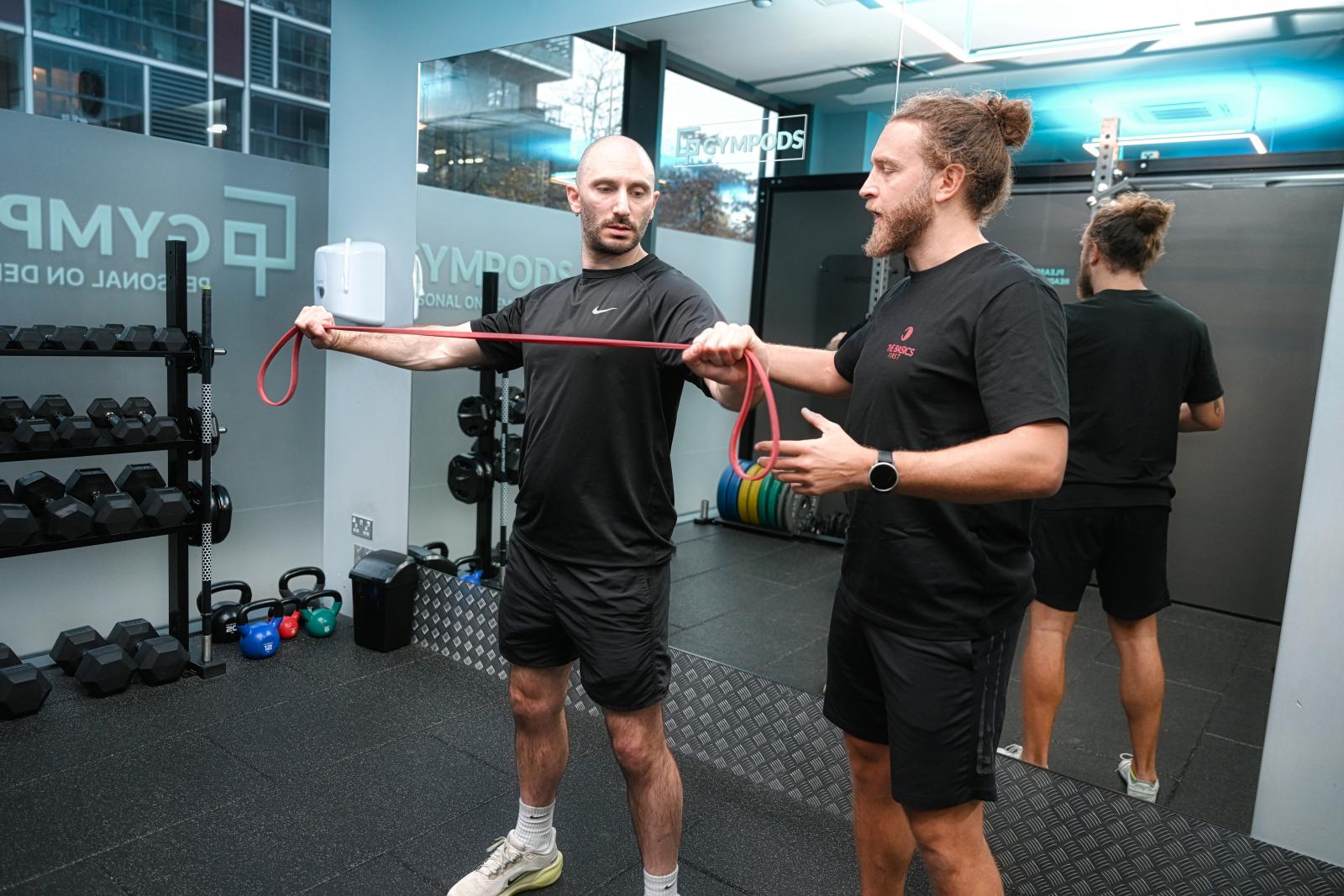
I help people who are in pain keep exercising instead of stopping completely.
We adjust training so pain settles, capacity improves, and you can keep doing the activities that matter to you.
IS THIS YOU?
You want to get stronger, move better, and stay pain-free — but you need a plan you can actually follow.
PAIN KEEPS INTERRUPTING YOUR TRAINING
You’re struggling with recurring aches or pain that hold you back from training consistently.
YOU WANT TO KEEP EXERCISING — BUT YOU’RE UNSURE
You don’t want to stop training, but you’re nervous about making the injury or pain worse.
YOU NEED A CLEAR rehab PLAN
You’re looking for expert guidance tailored to your injury, lifestyle, and long-term training goals.
THIS IS WHERE MY COACHING COMES IN
As a UK Osteopath and Strength Coach, I help you move from confusion to clarity.
Structured rehab programming.
Clear progression.
Real accountability.
No guessing. No restarting. No chaos.
YOUR PLAN STARTS HERE
Structured rehab training. Clear direction. Built for momentum.
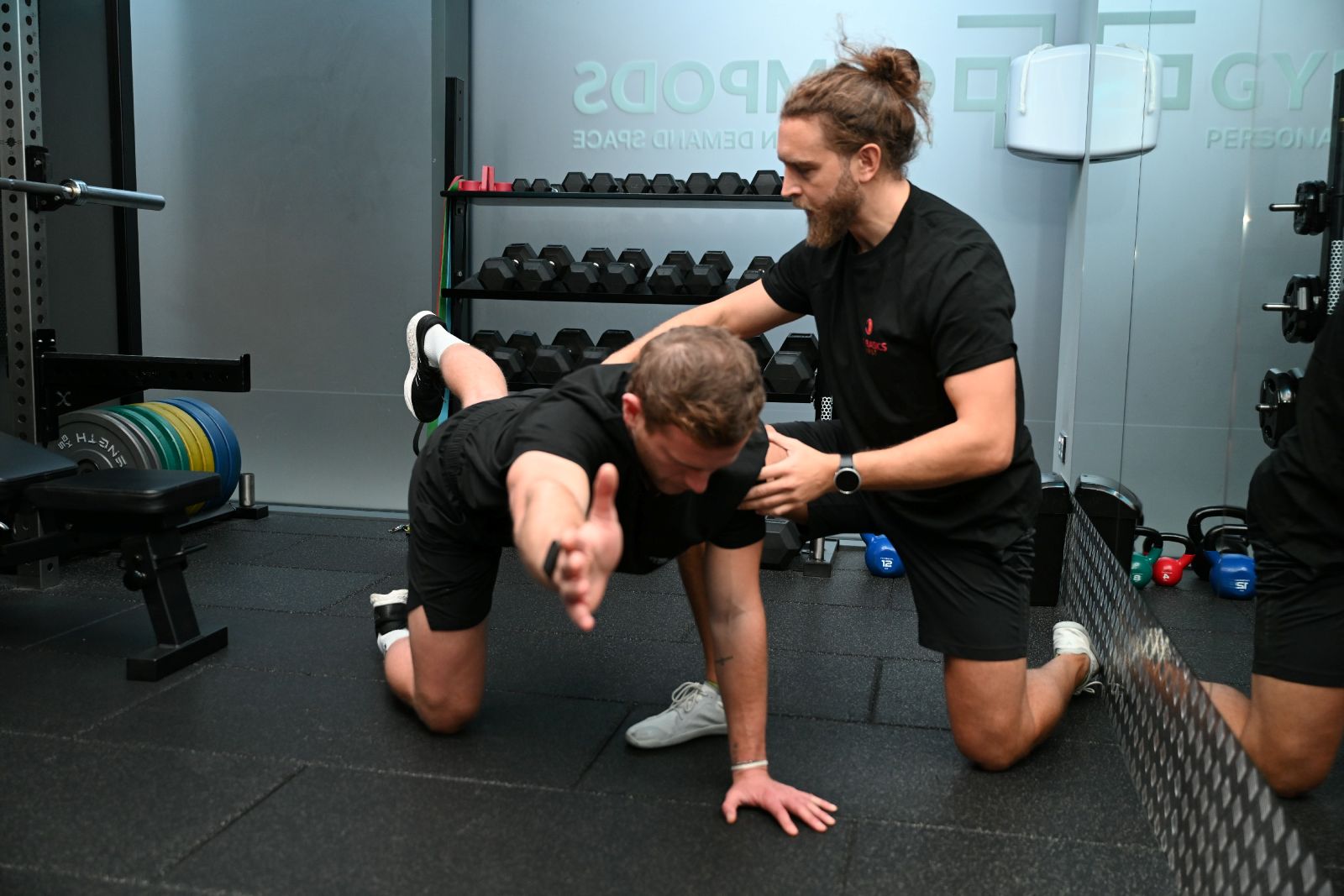
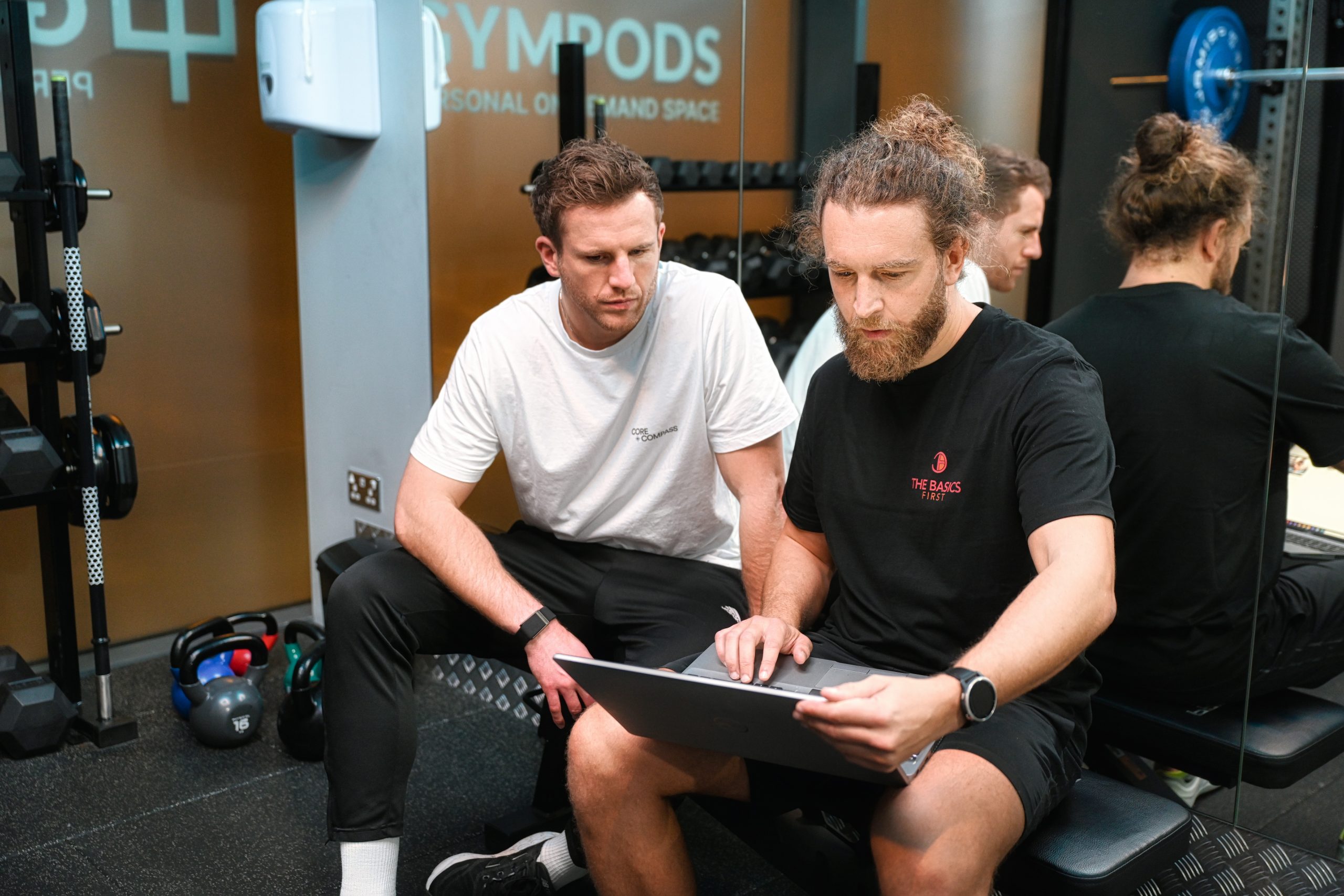
Initial Consultation & Diagnosis
We clarify your symptoms, injury history, training background, and current limitations — then define the strategy guiding your rehabilitation.
Personalised rehabilitation plan
You receive a structured exercise programme designed to reduce pain, rebuild capacity, and progressively restore your ability to train — delivered via Google Sheets.
Choose Your Support Level
Follow your programme independently with structured guidance and group support, or add 1-to-1 coaching for closer feedback and clinical oversight.
Progressive Return to Full Training
Each phase builds on the previous one — restoring strength, confidence, and tolerance so you can keep moving toward the activities you enjoy.
COMMON PROBLEMS I HELP WITH
These are some of the most common reasons people seek online rehabilitation.
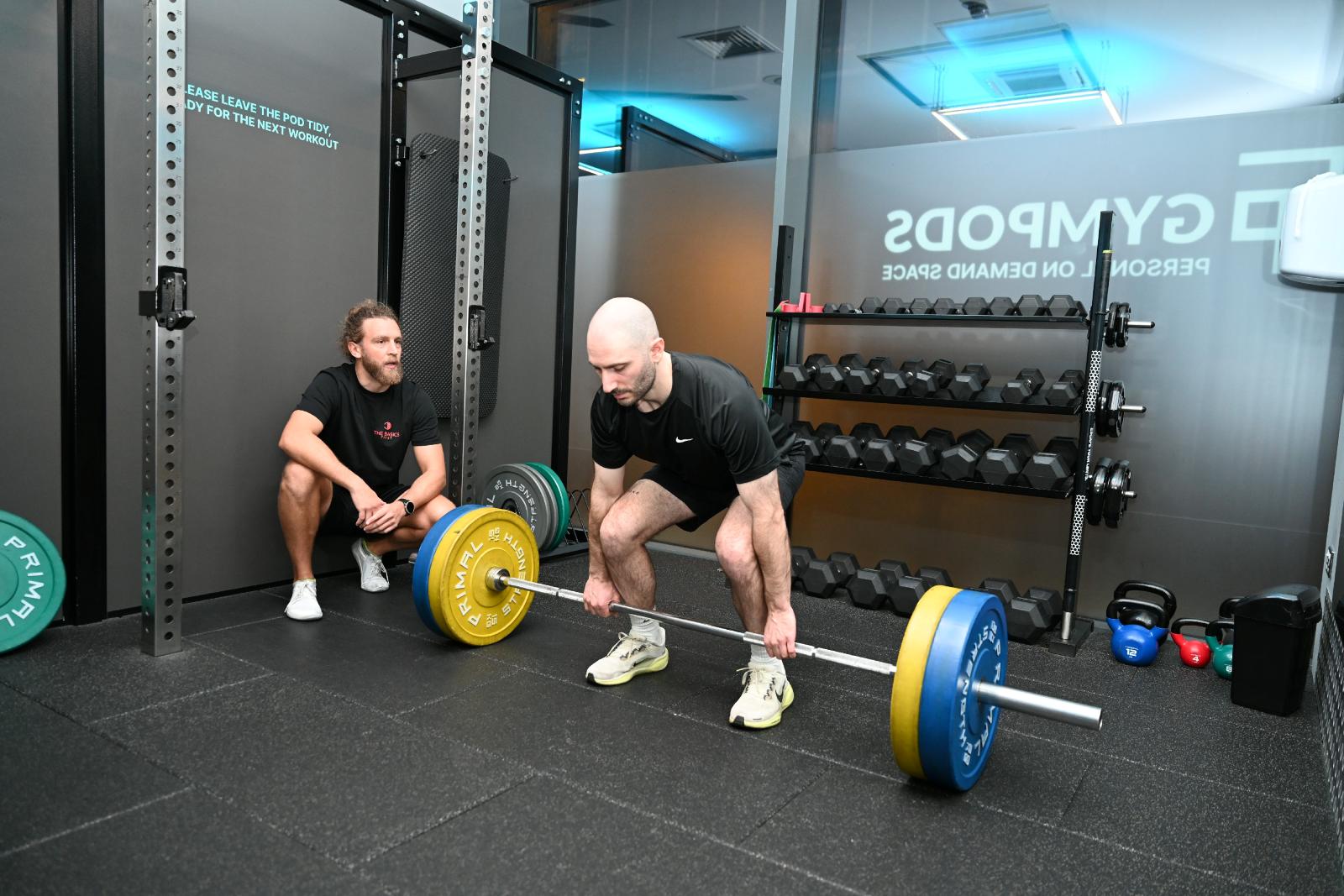
Running Injuries
Achilles pain, plantar fasciitis, hamstring issues, calf strains, and overload-related running pain.
Back & Neck Pain
Recurring flare-ups, stiffness, disc-related pain, and symptoms limiting training or daily movement.
Shoulder Pain
Pressing, pulling, overhead work, gym pain, and shoulder symptoms affecting sport or lifting.
Hip & Knee Pain
Load-related joint pain affecting squatting, lunging, running, jumping, or general training.
Tendon Pain
Achilles, patellar, hamstring, gluteal, or elbow tendon pain requiring smarter load management.
Gym & Strength Training Injuries
Symptoms aggravated by squats, deadlifts, presses, pull-ups, or poorly structured programming.
Persistent Pain
Long-standing issues that have not improved with rest alone, passive treatment, or generic rehab.
Return to Sport
Rebuilding strength, confidence, and tolerance so you can progressively return to full performance.
If your issue is not listed, that does not automatically mean I cannot help. The first consultation is designed to assess your case properly, establish the clinical picture, and decide whether online rehabilitation is the right fit.
THE initial assessment
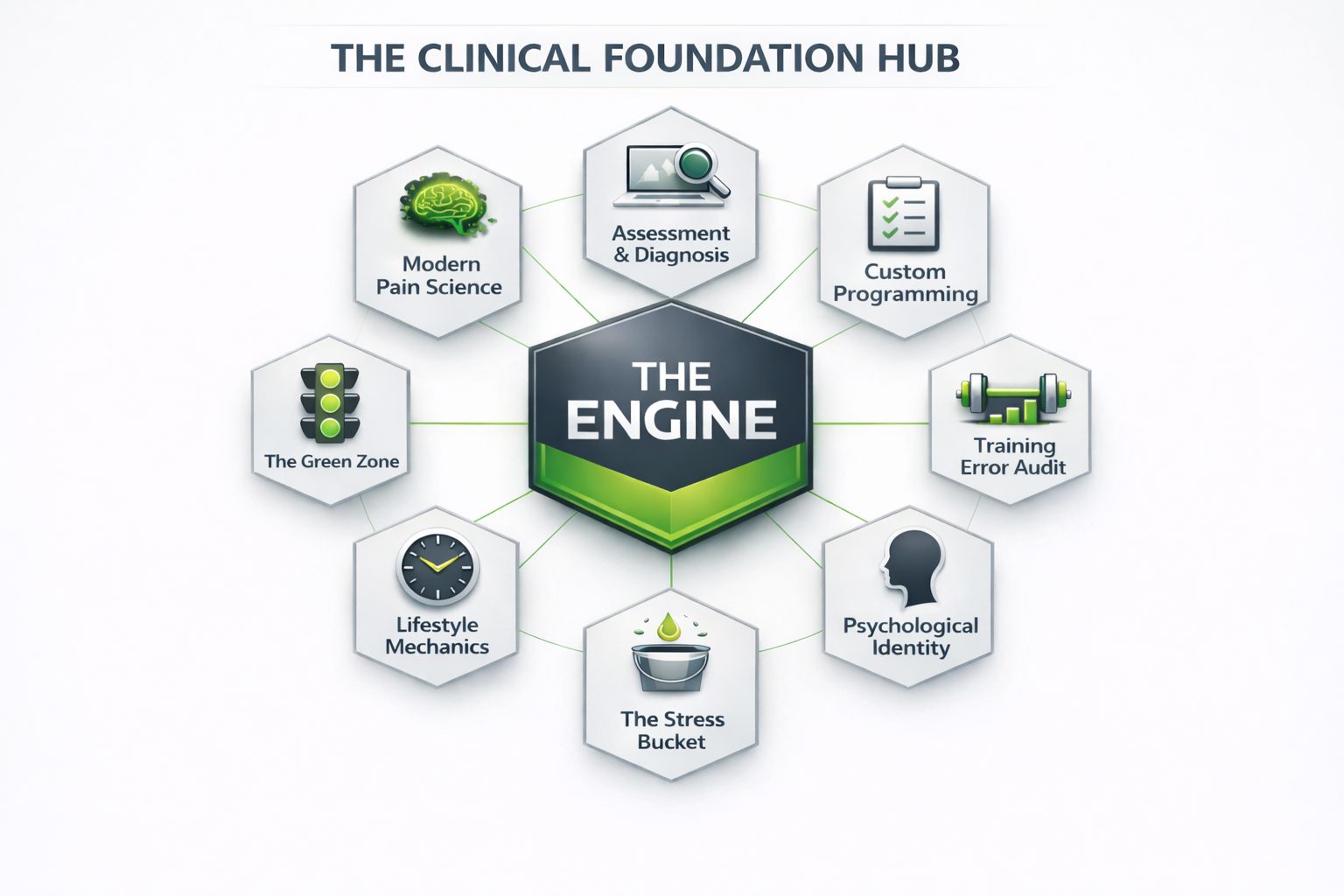
WHAT THIS CONSULTATION COVERS
A focused one-hour assessment designed to give you clarity, direction, and a realistic rehabilitation starting point.
THE TWO MAIN REHAB PATHWAYS
HIGH SENSITIVITY ENTRY
The acute pathway. Designed for injuries with higher pain sensitivity where the first priority is calming the system, restoring movement confidence and gradually rebuilding load tolerance.
LOW SENSITIVITY ENTRY
The persistent “niggle” pathway. Designed for injuries that have been lingering for months or years, where progress requires gradually rebuilding strength, capacity and tissue resilience.
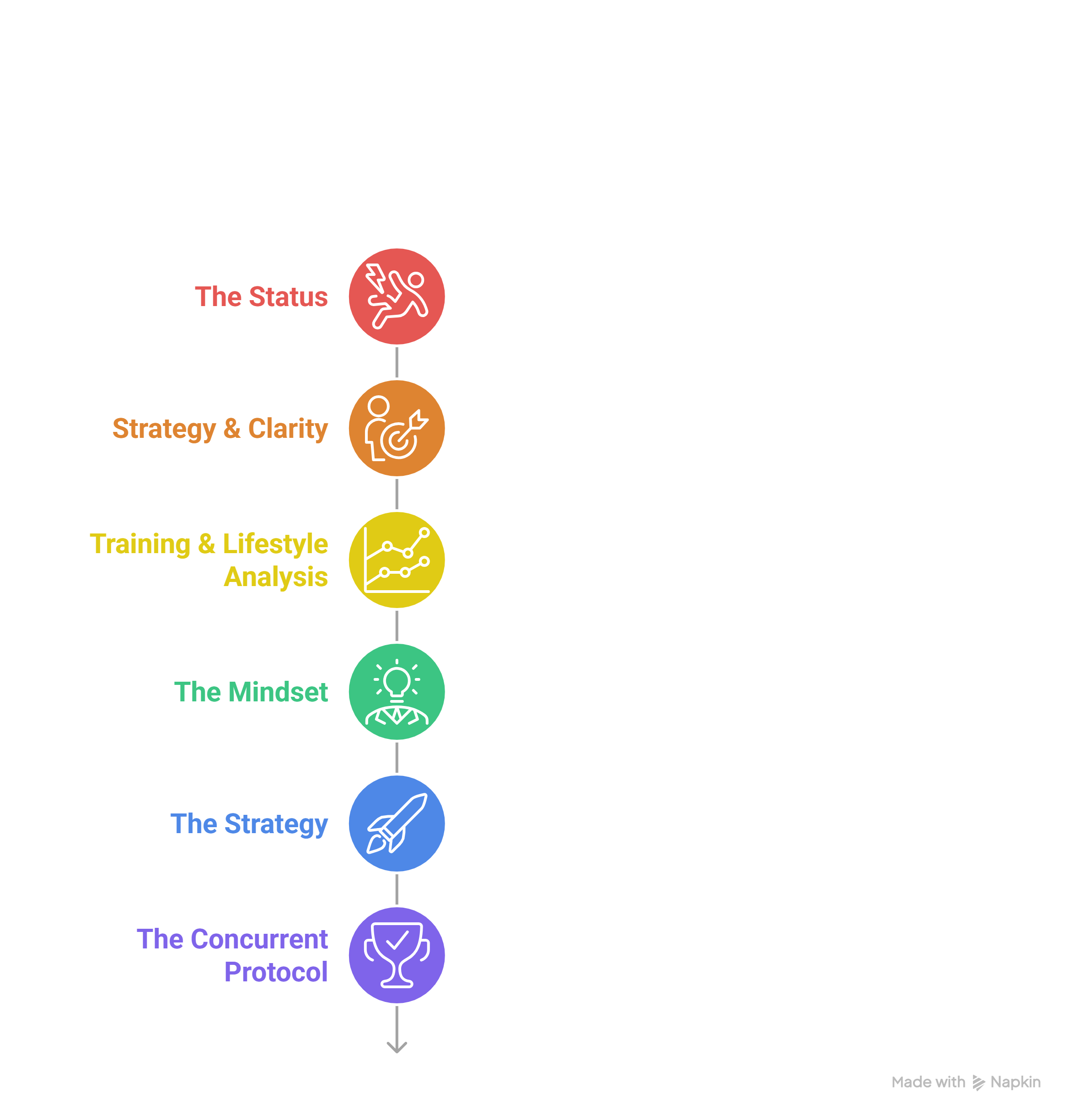
THE PATHWAYS IN COMPARISON
HIGH SENSITIVITY ENTRY
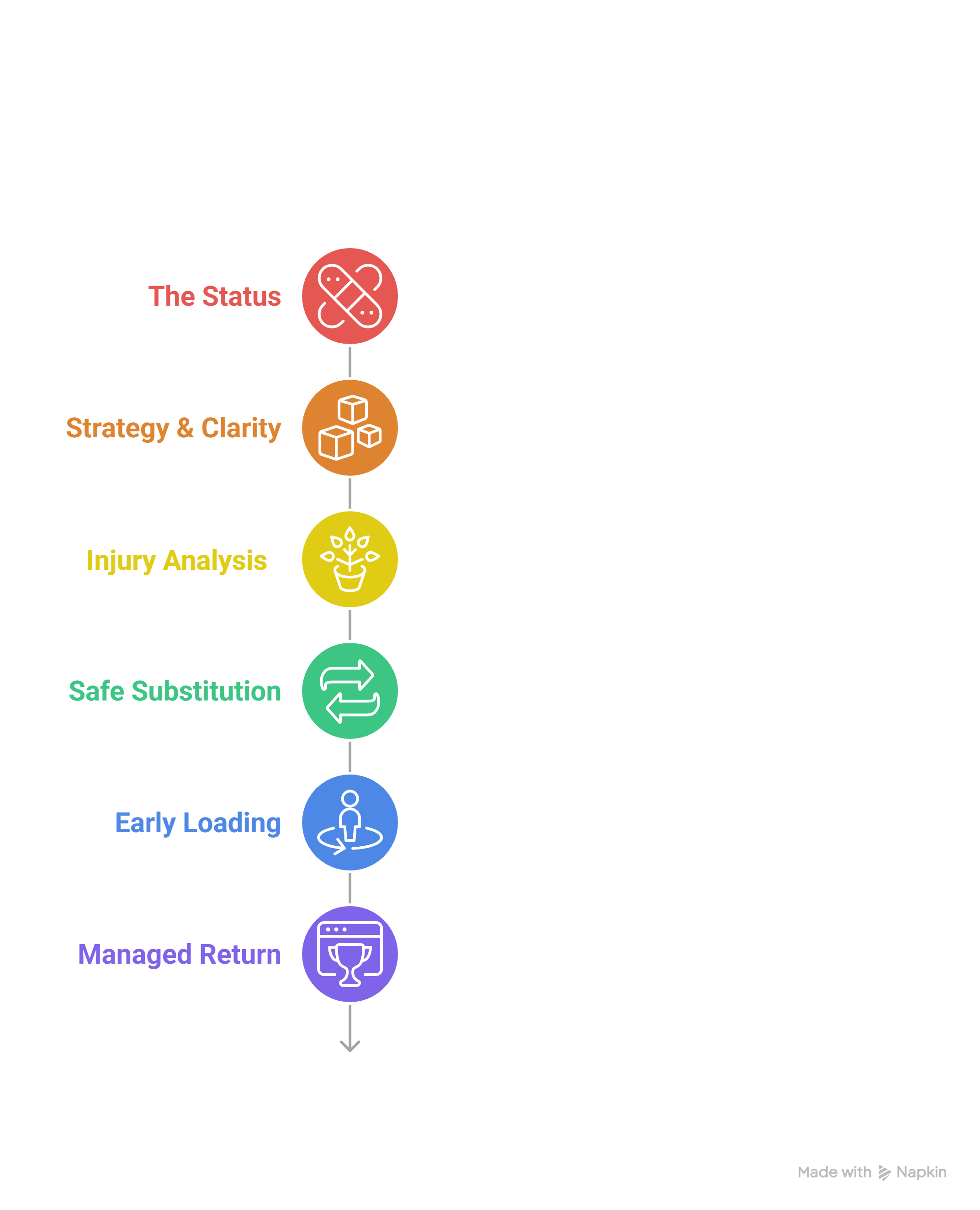
Early injury management: calm the system, protect the tissue, and restore safe movement.
-
Calm pain & irritation — use PEACE principles to settle symptoms and create the right environment for healing
-
Protect the area — temporary unloading and smart substitutions to avoid unnecessary aggravation
-
Reintroduce movement early — begin targeted rehab exercises as soon as loading is safe and tolerated
-
Modify, don’t stop — stay active by avoiding the “red zone” while maintaining as much function as possible
-
Build capacity back up — progressive loading restores tissue tolerance and guides your return to function
LOW SENSITIVITY ENTRY
For persistent issues: identify the weak link, rebuild capacity, and return to full performance.
-
Create clarity — understand the problem properly and establish a clear strategy from the start
-
Analyse your training — identify the movements, loads, and patterns that keep the issue going
-
Adapt intelligently — modify exercises and volume without losing momentum in the gym or sport
-
Build tissue capacity — progressively load the weak link until it becomes more resilient and reliable
-
Run a concurrent return — rebuild strength in training while gradually reintroducing sport-specific demand
WHAT’S INCLUDED IN YOUR COACHING
Education. Clarity. Execution.
Full Educational Vault Access
Full access, for the duration of your coaching, to my complete training curriculum via Google Drive — a PowerPoint-based library I’ve built personally to teach why and how you train, not just what to do.
Rehab Vault
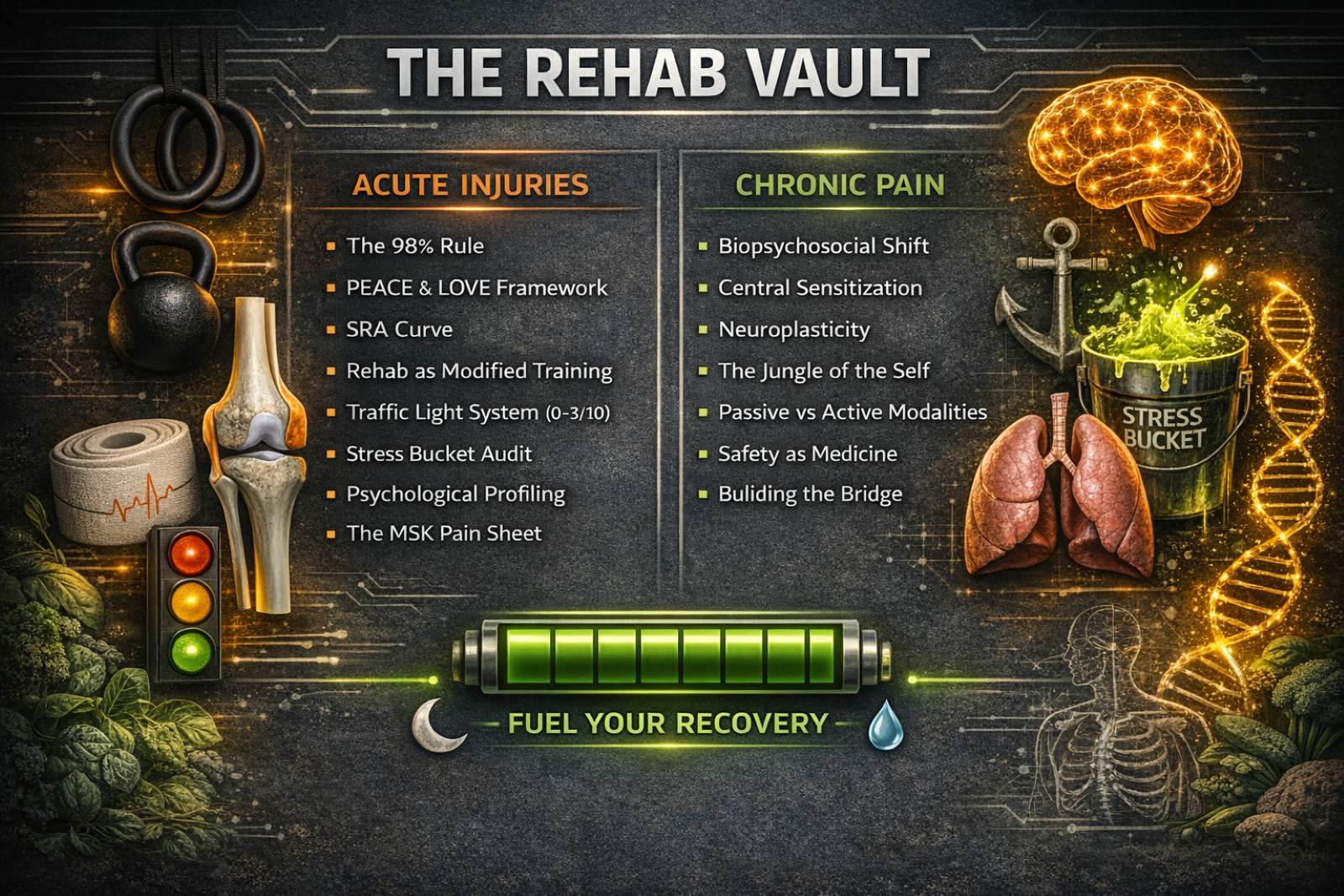
The core of the rehabilitation curriculum. Here we explore how pain and injury are influenced by a combination of biomechanics, training load, and the biopsychosocial factors that shape recovery. You’ll learn the principles behind pain management, load modification, tissue capacity, and progressive rehabilitation — so you understand not only what to do, but why it works.
Strength & Conditioning Vault
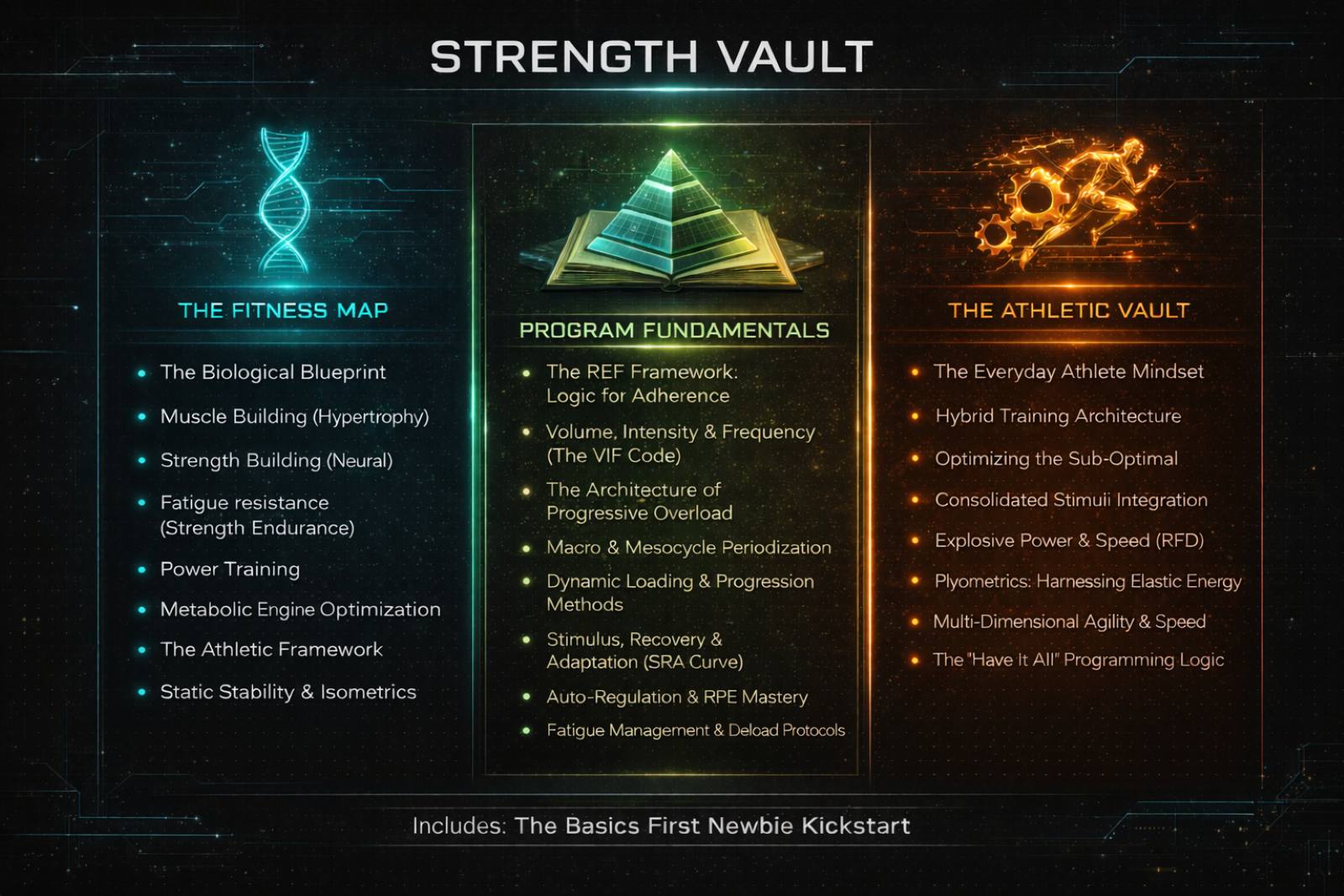
Strength is one of the most important foundations for long-term resilience. This vault teaches the fundamentals of strength training and intelligent programming — helping you understand how to structure training, manage load, and avoid the programming mistakes that often lead to recurring pain or injury. Understanding these principles allows rehabilitation to transition smoothly back into effective training.
Nutrition Vault
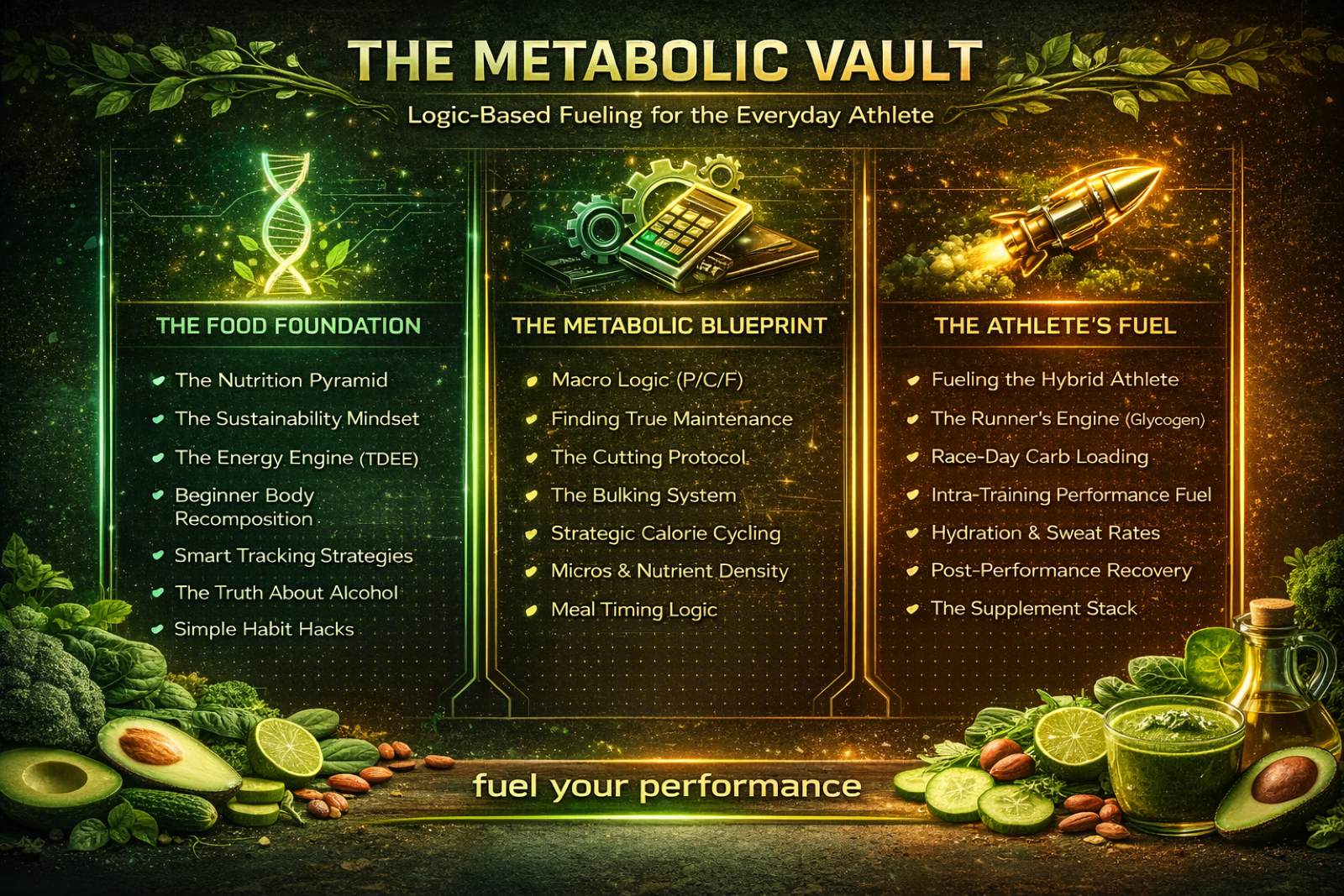
Learn to manage calories, macros, fat loss and lean mass gain with precision — no extremes, just consistency and control. A complete nutrition course giving you clear answers and a practical method to track intake, build muscle, lose body fat, or navigate body recomposition with confidence.
Cardio & Running Vault
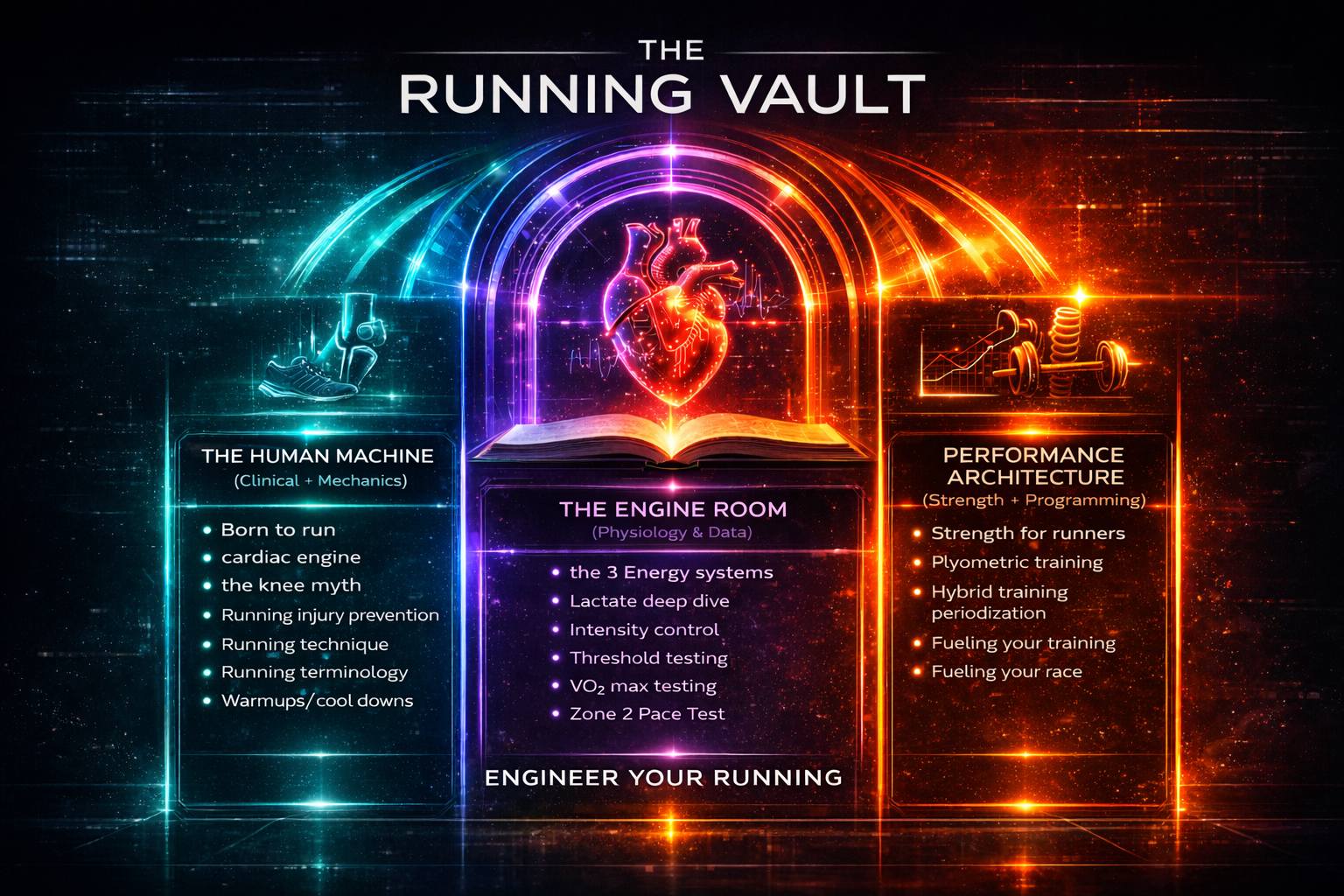
Energy systems, aerobic base development, pacing strategies and performance-focused conditioning — so cardio supports your training, not competes with it.
MEET THE COACH
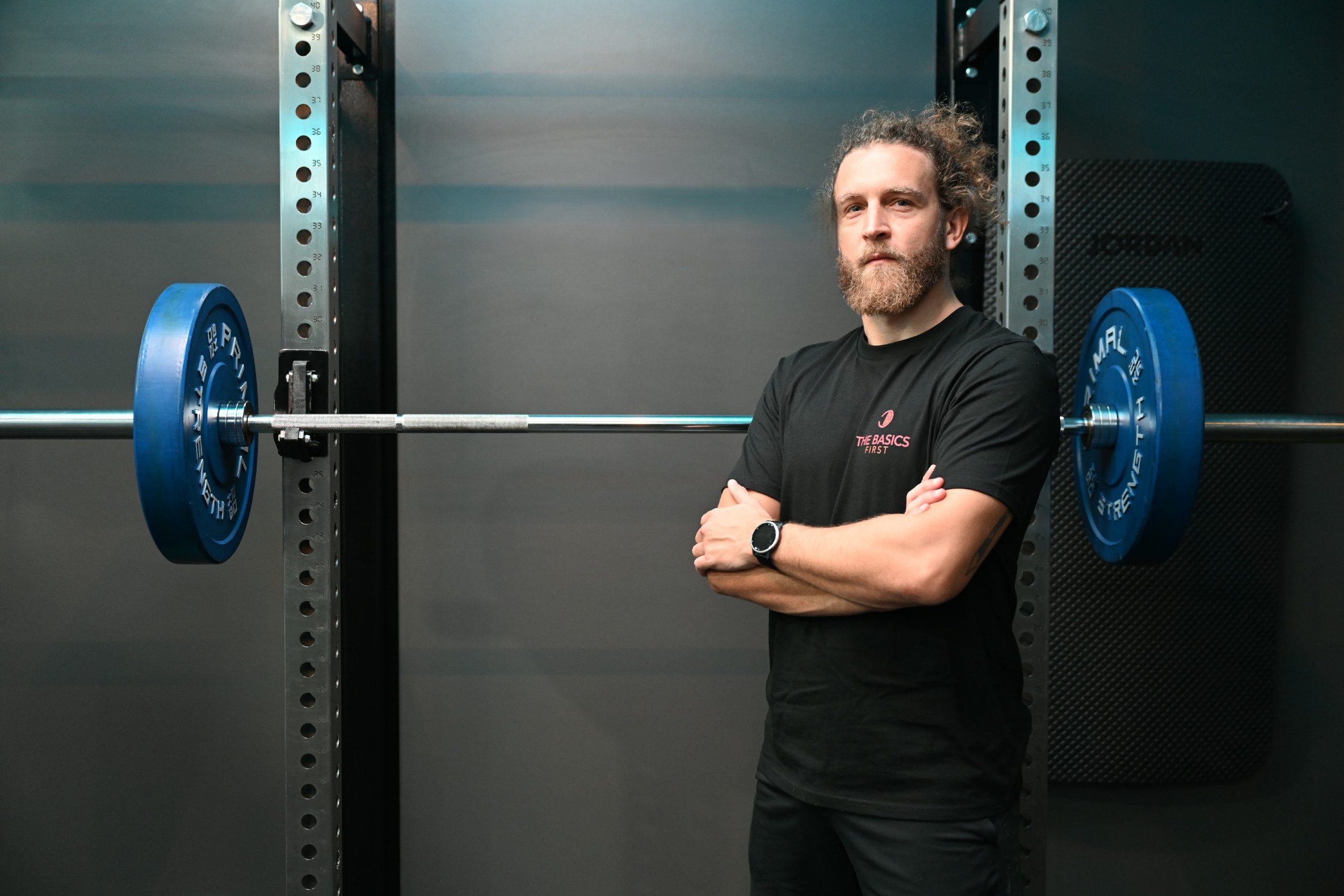
Clinical reasoning. Intelligent training.
I’m an osteopath and a strength coach. I work at the intersection of clinical reasoning and intelligent training — where performance, progression, and sometimes pain meet.
-
10+ years of applied strength training
-
Clinical understanding of movement and load
-
Strength principles that transfer beyond the gym
-
Education — so you’re never guessing what you’re doing
REHAB TO PERFORMANCE
"I’ve been working with Fabio at The Basics First for over a year and the results have been outstanding. His online rehab and strength/performance coaching delivered improvements I never got from previous coaches."
"I’m in much less pain, my quality of life is significantly better, and he kept me training while helping me return to my chosen sport. The individualised, evidence-based approach followed a clear, progressive plan and kept training engaging, which made it easy to stay consistent. Highly recommend."
— Imogen.H., Hybrid Strength & Rehab Client
INVEST IN YOURSELF — NOT ANOTHER PROGRAM
Real coaching. Real accountability. Real understanding.
ACCOUNTABILITY THAT DRIVES RESULTS
Clear expectations. Regular reviews. No drifting. Progress happens because nothing is left unattended.
AN EDUCATION SYSTEM — NOT JUST A PLAN
You don’t just train — you learn. Full access to my education vault so you understand why you train, not just what to do — and can apply it for life.
10+ YEARS OF COACHING EXPERIENCE
Clinical background meets barbell-based systems. A decade of refinement applied directly to your training decisions.
CHOOSE YOUR LEVEL OF ONLINE REHABILITATION
Start with a 60-minute online clinical consultation + diagnosis. Your rehabilitation plan is built around your symptoms, training background, and goals — and evolves as you recover.
Rehabilitation Programme + Coaching System
Structured rehab plan + weekly clinical oversight (hotseat)
- 60-min clinical consultation + diagnosis (sets your rehabilitation direction)
- Custom rehabilitation programme built around your symptoms, capacity, and goals
- Weekly 2-hour group hotseat (live rehab coaching Q&A)
- Send in questions and training videos for expert form checks, exercise modification, and movement feedback during the hotseat
- Access to recordings if you can’t attend live
- Private coaching community (accountability threads, form checks, wins + weekly prompts)
-
Educational Library access covering rehabilitation, pain management, programme design, nutrition, and conditioning
Includes the complete Strength Training course - Exercise demo videos with coaching cues
- Training and lifestyle guidance aligned to your recovery and activity goals
- Different issue or new goal? → new consultation required
Best if you want a clear rehabilitation plan, weekly clinical oversight, and the skills to manage your training more confidently over time.
1-to-1 Rehabilitation (Bi-Weekly)
Direct clinical guidance every 2 weeks
- 60-min clinical consultation + diagnosis
- Coach-updated rehabilitation plan every 2 weeks based on symptoms, progress, and tolerance
- 30-min 1-to-1 call every 2 weeks (feedback + clinical direction)
- Technique analysis + action cues (private video submission)
- Private coaching community (accountability threads, form checks, wins + weekly prompts)
-
Educational Library access covering rehabilitation, pain management, programme design, nutrition, and conditioning
Includes the complete Strength Training course - Exercise demo videos with coaching cues
- Training and lifestyle guidance aligned to your recovery and activity goals
-
Hotseat: listen-in + written questions
Live airtime is prioritised for members without 1-to-1 access.
Best if you want regular feedback, closer clinical support, and a rehabilitation plan that is adjusted consistently as you progress.
1-to-1 Rehabilitation (Weekly)
Weekly calls + higher-touch clinical support
- Everything in Tier 2
- Weekly 30-min 1-to-1 call
- Weekly programme adjustment
- Weekly technique analysis + action cues (private video submission)
- Telegram support (48-hour response window)
- Training and lifestyle guidance aligned to your recovery and activity goals
- Exercise demo videos with coaching cues
-
Hotseat: learn with the group (listen-in)
Live airtime is prioritised for members without 1-to-1 access.
Best if you want the fastest feedback loop, weekly clinical support, and close guidance as you work through pain, rebuild capacity, and return to full training.
3 STEPS TO YOUR NEW FOUNDATION
BOOK YOUR INITIAL ASSESSMENT
Secure your consultation and establish the clinical starting point for your rehabilitation.
MAP YOUR REHAB PLAN
We identify the key issues, clarify your pathway and build the level of support that fits your recovery.
START REBUILDING WITH DIRECTION
Your rehabilitation begins with clear structure, guided progress and a plan built around restoring confidence, strength and tolerance.
Ready to start? Book your free 10-min discovery call.
Let’s discuss your training history and goals. Pick a time that suits you for a brief chat via Google Meet.
FREQUENTLY ASKED QUESTIONS
Do I need to stop training?
No — in most cases you do not need to stop training. My approach to rehabilitation is based on the principle that rehab is modified training. Instead of complete rest, we usually adjust the type of exercises, training load, and overall volume so you can keep moving while symptoms settle.
During the initial consultation we will discuss your injury, your current training, and your goals. From there we define clear priorities and structure a rehabilitation plan that fits those goals — often balancing capacity-building work with the training you want to continue.
In some situations, particularly with acute injuries or very high training loads, it may be sensible to temporarily reduce intensity or shift focus toward rebuilding capacity before returning fully to your sport. These decisions are always made collaboratively, weighing your goals, the demands of your sport, and the current state of the injury.
Do I need a gym membership?
Yes, ideally. This is a gym-based rehabilitation service, because strength training is one of the most effective ways to rebuild tissue capacity, tolerance, and long-term resilience. Regardless of your sport or activity outside the gym, the rehabilitation work we do is designed to improve the physical qualities that support it — rather than simply repeating the same demands of your sport. In most cases, access to a gym at least two times per week is strongly recommended so we can progress your rehabilitation properly.
How many days per week do I need to train?
This depends on your symptoms, recovery, time availability, and goals. Two sessions per week is usually enough to begin building momentum. Three to four sessions may be appropriate for others depending on capacity. The priority is finding a level you can recover from and sustain consistently.
How do you monitor my progression?
Your rehabilitation plan is built and delivered in a private Google Sheet that is shared directly with me. I can see your exercises, loads, symptoms, and notes week after week, which allows me to track trends, adjust volume or intensity, and spot issues early. Progressions, regressions, and load-management decisions are discussed and applied either during Hotseats or through 1-to-1 coaching calls, depending on your tier.
What is a Hotseat?
A weekly live group coaching call where members submit questions or videos in advance. The session is structured so that every member who submits receives time and feedback, either live or via replay. I review technique, modify exercises when needed, and guide rehabilitation decisions in real time — with recordings available afterward. Because your programme is shared with me in Drive, I can see your progress, symptoms, loads, and notes in real time, allowing feedback to be specific, contextual, and clinically relevant.
Do I need to count calories?
No, you do not need to count calories. That said, your general calorie intake, recovery needs, and nutrition habits will still be considered as part of the process — especially if you are managing pain while continuing to train at a relatively high intensity.
Recovery is a key part of rehabilitation, and adequate nutrition plays an important role in supporting it. Where relevant, I may guide you around calories, protein, and overall food intake to make sure your body has enough support to recover, adapt, and tolerate training well.
What exactly is the “Education Vault”?
Rehabilitation is more effective when you understand the principles behind it. The Education Vault is an evolving library of PowerPoints and curated videos that complements 1-to-1 coaching calls. We use call time for your specific needs, and the Vault for deeper theory — such as pain, load management, exercise progression, and programming principles — at your own pace.
Can I join if I’m currently injured?
Yes — that is exactly what this service is for. My philosophy is “Rehab is modified training”, which means the goal is not to stop completely, but to adapt training appropriately around pain, reduce aggravation, and gradually rebuild capacity over time.
Why Google Sheets and Google Drive?
Apps are restrictive. I use a professional workspace for full individualisation. Your Rehabilitation Plan lives in Google Sheets, and your Support Hub (videos, resources, form checks) lives in Drive. This allows real-time changes, transparency, and flexibility that apps can’t provide.
How do video form checks work?
You upload key lifts or rehabilitation exercises to your private Drive folder. I review your movement and leave specific feedback directly in your training sheet. This helps us refine exercise selection, improve execution, and keep progression appropriate.
Which tier is right for me?
The more independent tier suits people who want a clear rehabilitation plan and are comfortable applying guidance between check-ins. The higher-support tiers are ideal if your case is more complex, symptoms are changing quickly, or you want closer feedback, accountability, and more regular programme adjustments.